Europe, Middle East, Africa (EMEA)
Asia Pacific (APAC)
Americas (AM)

- Advanced Customer Training
- AUTOBAG® Product Resource Library
- AutoLabel Software Tools and Support
- Customer Service
- Custom Bagging Machine Applications
- Custom Engineering and Integrated Systems
- Factory Service Repair Center
- Field Service and Preventive Maintenance
- Financing and Payment Options
- Graphics, Art & Imaging for Custom Branded Bag Packaging
- Systems Advantage: The Total Systems Approach to Bag Packaging
- Technical Phone Support
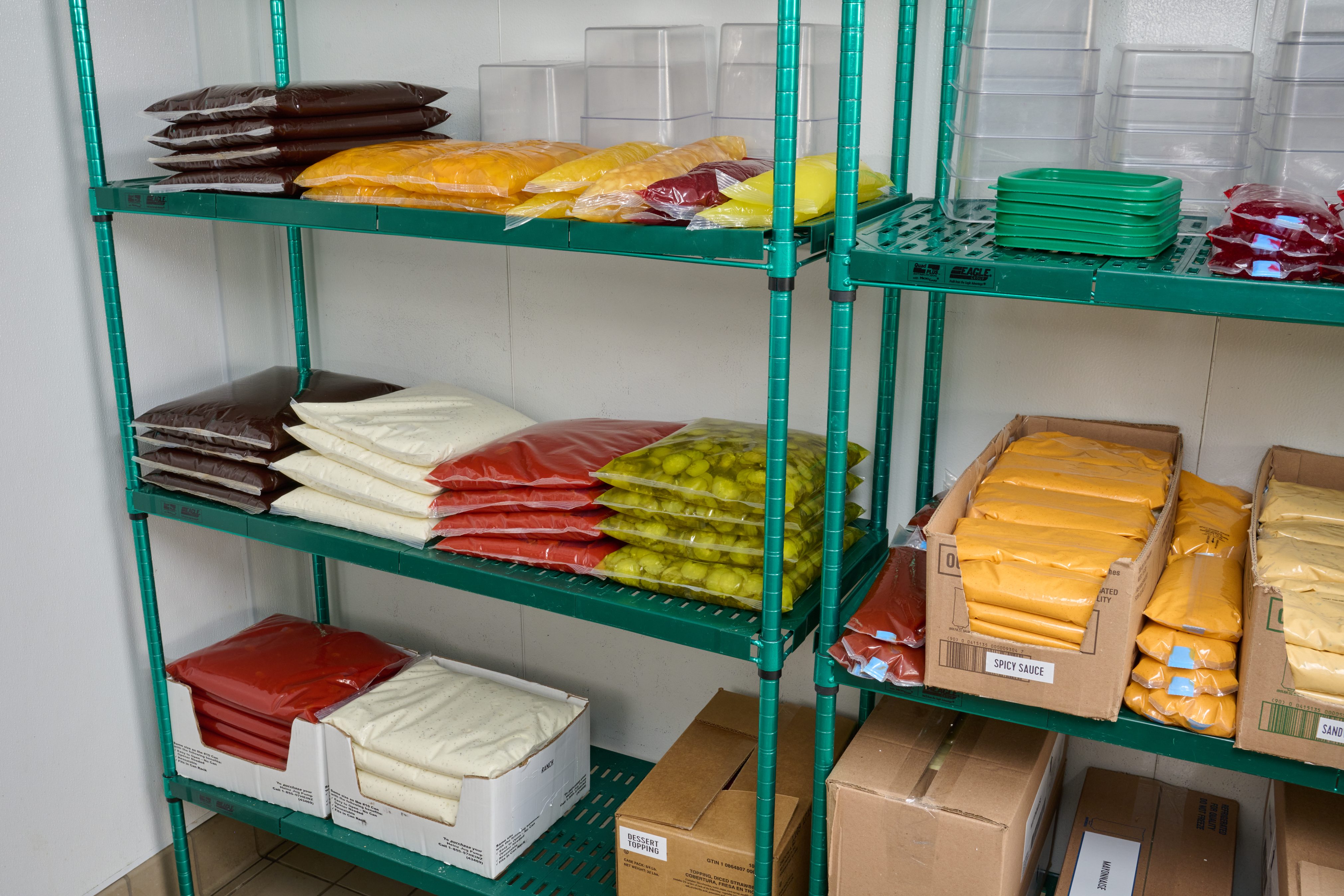
Why Flexible Packaging Makes Food Service More Efficient
Why Smart Food Service Operators Are Making the Switch to Flexible Packaging
If you’re a food service operator, you’ve probably already heard about the benefits of flexible packaging. You know it can save space, reduce costs, and improve safety. Despite these benefits, however, transitioning from traditional rigid containers can seem daunting. Here are four key reasons that highlight why making the switch is worth the effort:
Save Space and Simplify Storage
In a busy food service environment, space is precious. Flexible pouch packaging for liquids, sauces, condiments, soups, and even ground meats can help you optimize your storage. Flexible packs take up to 40% less space than metal cans, freeing up storage areas for other essential items and making inventory management much smoother.
Pouch packaging also allows you to stock more product in your existing back-of-house space. This helps ensure you always have what you need without clutter or cramped conditions. And with less material used overall, flexible packaging helps reduce waste.

Flexible packaging occupies 40% less space than metal cans.
Cut Costs and Improve Efficiency
Reducing operational costs is key for every food service operation. Because flexible packages are lighter and more compact, they lower shipping and storage expenses, saving you money on freight and warehousing. Their small footprint means fewer trips and lower transportation costs.
Flexible packaging can give you up to 20 percent more product yield per package that helps minimize waste during portioning. And when advanced systems like CRYOVAC® FlexPrep® pouch technology enable up to 98 percent product yield, you can make the most of every dollar spent on ingredients.
Pouches yield up to 20% more product than rigid containers.

Enhance Safety and Reduce Hazards
Safety in the kitchen is non-negotiable. Traditional canned products pose risks from sharp edges when opened, which can cause injuries during handling. Flexible packaging eliminates this danger with easy open tabs and smooth surfaces that are safer for your staff.
Moreover, flexible packs reduce the need for knives, scissors, and openers. This decreases the chances of cross-contamination and makes your kitchen safer and cleaner. Less handling also translates into fewer accidents and injuries.
Flexible packaging produces 1/10 the amount of CO2 compared to metal cans.
Boost Sustainability and Reduce Waste
Sustainability is no longer just a trend; it’s a necessity. Flexible packaging uses 75% less energy and produces one-tenth the CO₂ emissions compared to metal cans. And its higher product-to-package ratio uses less water and energy during manufacturing and transportation.
Many flexible films are recyclable through LDPE RIC4 streams, aligning with environmental initiatives and consumer expectations. Plus, because flexible packs are less susceptible to dents and damage, you can avoid unnecessary product waste and keep your offerings fresher longer.
For food service operators looking to maximize efficiency, safety, and sustainability, switching from rigid containers to flexible packaging is a smart move.
Ready to get started? Contact us.
*Recycle-ready films have varying degrees of recyclability depending on the scope and availability of collection, sortation, and recycling programs.
More From Sealed Air
-
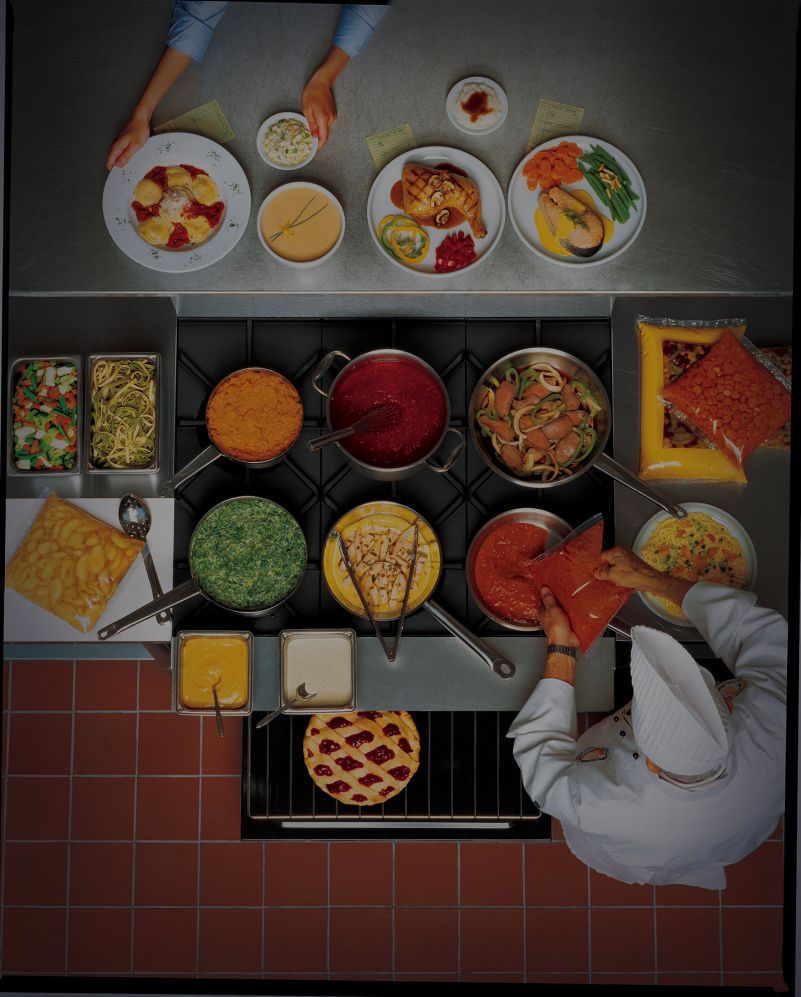 01 Making the Switch From Rigid to Flexible Liquid Packaging
 -
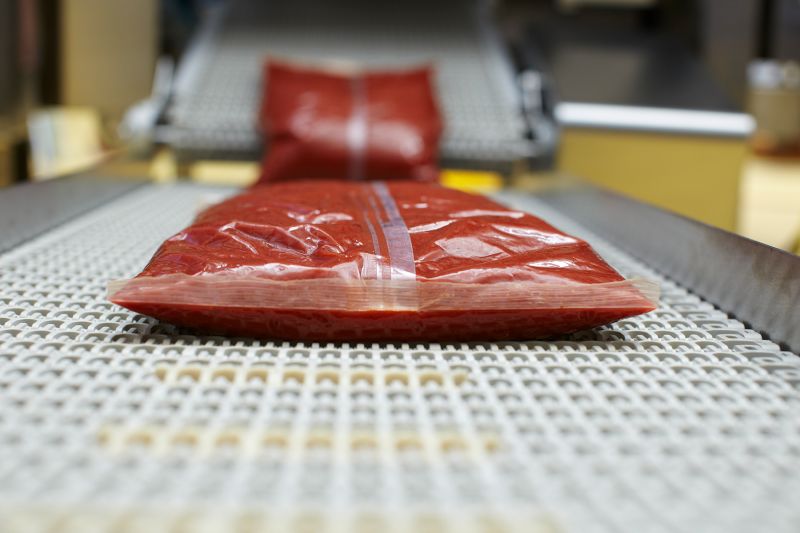 02 Packaging Solutions: Liquid Food Products
 -
 03 Packaging Solutions: Foodservice Products
 -
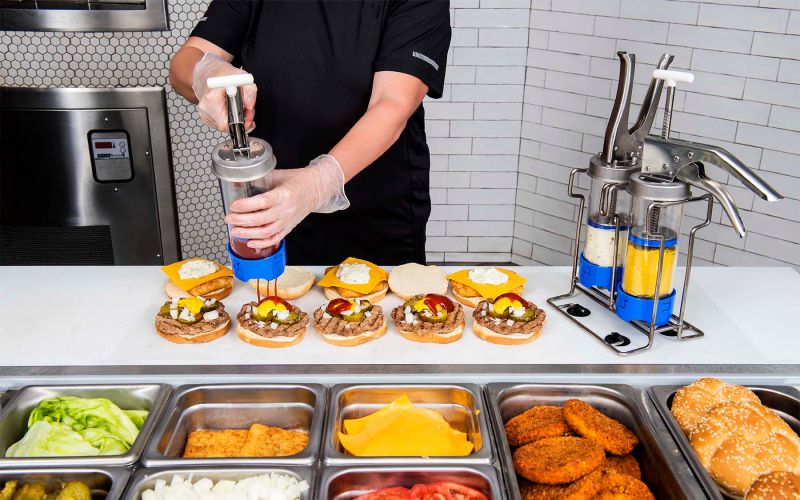 04 Dispenser Pouch Packaging
 -
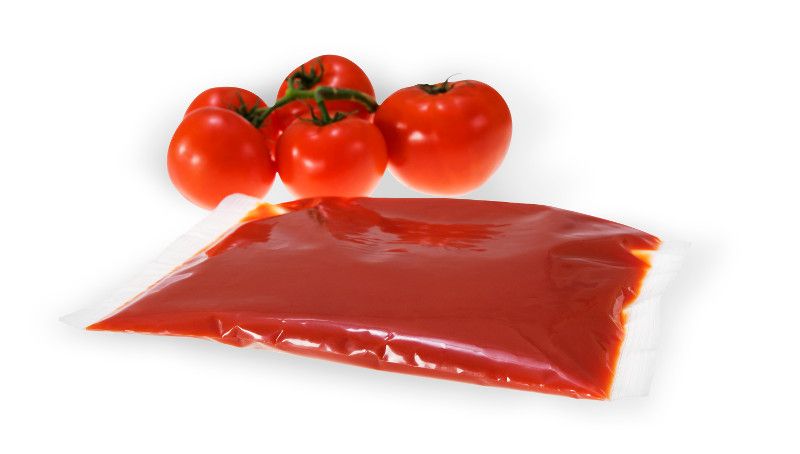 05 Form-Fill-Seal Film
 -
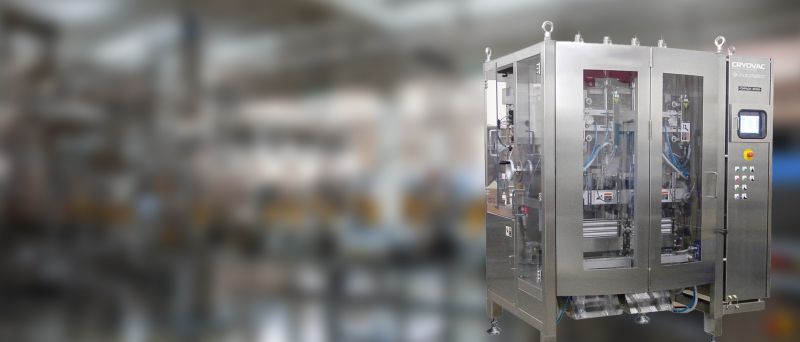 06 Vertical Form-Fill-Seal Equipment

Connect With Us
Get answers to common questions about our company, products, services, and beyond by filling out the form below. A dedicated representative will contact you soon to better understand and address your specific needs..
* All fields required

Thank You
Thank you for reaching out. We've received your information and will respond shortly. We appreciate your interest in Sealed Air.
Are you sure you want to cancel your submission?
Your information will not be saved.